Restorative Engagement in Memory Care: Daily Activities that Make a Distinction
Business Name: BeeHive Homes of Grain Valley
Address: 101 SW Cross Creek Dr, Grain Valley, MO 64029
Phone: (816) 867-0515
BeeHive Homes of Grain Valley
At BeeHive Homes of Grain Valley, Missouri, we offer the finest memory care and assisted living experience available in a cozy, comfortable homelike setting. Each of our residents has their own spacious room with an ADA approved bathroom and shower. We prepare and serve delicious home-cooked meals every day. We maintain a small, friendly elderly care community. We provide regular activities that our residents find fun and contribute to their health and well-being. Our staff is attentive and caring and provides assistance with daily activities to our senior living residents in a loving and respectful manner. We invite you to tour and experience our assisted living home and feel the difference.
101 SW Cross Creek Dr, Grain Valley, MO 64029
Business Hours
Therapeutic engagement is not a calendar of diversions. It is the everyday work of protecting identity, preserving strengths, and reducing distress for people coping with cognitive modification. When engagement is succeeded, an individual might not remember every activity, yet they continue the sensation of being valued and safe. That sensation appears in less distressed behaviors, steadier sleep, more ready involvement in care, and a much deeper sense of home.
I have spent years developing programs in memory care homes and recommending assisted living communities that support residents with dementia. The successes hardly ever came from ideal craft tasks or shiny innovation. They came from common minutes made intentional. Brushing a resident's hair with their preferred comb. Folding towels along with somebody who when raised six children and ran a busy household. Planting marigolds utilizing a trowel with a thicker, easy-grip handle. These are not small things. They are the active ingredients.
Why engagement matters more than ever
Cognitive problems alters how the brain processes information, however it does not remove a person's need for purpose and belonging. Research study and useful experience converge on a few dependable facts. Purposeful activity can lower agitation and passiveness, reduce the use of PRN antipsychotics, and improve cravings and hydration. Consistent routines support body clock, which in turn lowers late-day confusion and nighttime roaming. Social exchanges, even brief ones, aid maintain language and emotional regulation.
In daily practice, I have actually seen a resident who paced for hours discover calm when invited to sort the morning mail with a small cart. Another resident, formerly withdrawn, began attending meals after we presented her to a peer who taught her a basic hand-clap video game from youth. None of this required a medical degree. It needed observation, interest, and the will to individualize.
Principles that make activities therapeutic
Therapeutic engagement rests on 5 concepts. First, start with biography, not diagnosis. Second, pick activities that match current abilities, not past peak abilities. Third, respect autonomy with authentic options. 4th, provide the correct amount of cueing, then step back. Lastly, anchor every day in a predictable rhythm while leaving space for spontaneous joy.
Biography tells you that Mr. Patel was a pharmacist who enjoyed cricket. That recommends accuracy jobs, arranging, and group enjoy celebrations for matches with familiar noises. An individual's abilities suggest the medium and intricacy. If visual-spatial abilities have decreased, prevent 1,000-piece puzzles and choose large-format jigsaws, color matching, or picture sequencing. Option may be as easy as, Would you like to water the basil or the mint? Cueing is best when it empowers. Lay out 2 t-shirts, start the initial step, place the comb in hand, then time out. The rhythm of the day should correspond enough to orient, but versatile adequate to capture triggers of interest.
Setting the day as much as succeed
The initially 90 minutes after waking set the tone. Lighting matters. Natural light, blinds open, small lamps on by 6:30 or 7:00 a.m., supports circadian signals. Hydration is easiest when it is part of a ritual. A warm cup of lemon water or tea on the nightstand, sipped slowly while a favorite song plays at low volume, typically beats a cool water pitcher no one sees. Movement early in the day, even if it is sluggish, minimizes restlessness later on. Ten minutes of corridor walking or seated stretches while discussing the weather can help.
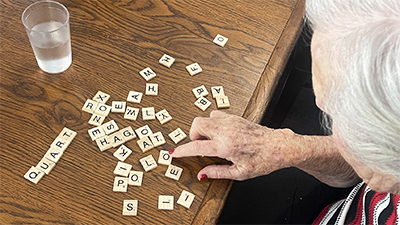
Breakfast can be both nutrition and therapy. Finger foods support independence when utensils irritate. Intense plates offer contrast for individuals with depth-perception difficulties. I have actually had homeowners consume 25 percent more when we served oatmeal in vibrant bowls and switched the white table linen to soft blue. Discussion beats statements. Pose an easy prompt. What did your household eat on Sundays? Accept short, partial, or nonverbal responses as totally valid contributions.

Finding the best level of challenge
Challenge is healing when it produces a sense of doing, not of stopping working. I utilize a basic general rule. If the activity generates 3 or more demands for aid in the very first minute, it is too tough. If the person appears tired or disengaged after a quick trial, it is too easy. The sweet area welcomes mild effort and little wins.
Adaptive tools make a distinction. Use chunky crayons, larger paintbrush manages, and decks of playing cards with big print. Glue buttons to a wood board to mimic shirt fastening without the pressure of getting dressed. Substitute plastic coins for heavy metal ones when practicing counting. For reading, print a paragraph in 18 to 22 point font style with generous spacing. For visual cues, tape a picture of a bathroom on the restroom door and a basic illustration of a bed on the bed room door.
Movement as medicine
Sedentary days reproduce tightness, swelling, and insomnia. Movement does not need to imply formal workout classes, although seated tai chi or chair yoga can be exceptional. I prefer to weave movement into tasks and games. A 5 minute broom sweep of the patio, a beach ball toss throughout a table, bring washcloths from dryer to shelf, or moving seedlings from one tray to another each add up.
For homeowners who are unsteady, parallel walking is much safer than in person. Stand at the person's side, gently offer your lower arm, and move together while explaining familiar landmarks. For those utilizing wheelchairs, dance celebrations still work. Location the chair on a company surface, secure brakes throughout transfers, and welcome swaying and upper-body motions to tunes they understand. Always monitor for indications of exertional tiredness, like a furrowed brow, pursed lips, or shallow breathing. Better to stop early and attempt once again after a short rest than to push through and associate the activity with discomfort.
Music, memory, and mood
Music is unmatched for cueing memory and shifting state of mind. The trick is to match the era and psychological tone. People frequently connect greatest to music from their teens and twenties. Build playlists that reflect individual history. A previous choir director may favor hymns. A jazz enthusiast might unwind to Coltrane. Keep the volume at a level that does not stun, and prevent long playlists of unfamiliar tracks that become background noise.
Live music, even if imperfect, beats recorded sound for engagement. Invite citizens to keep time with shakers, a drum, or clapping. Name that tune works well when you sing the first line yourself. Look for overstimulation. If hands wring or eyes dart, switch to a slower, simpler song, or stop entirely and talk about a concert the individual as soon as participated in. Often, a brief, focused musical moment is enough to raise a state of mind for hours.
Conversations that go somewhere
Many well-meant concerns demand recall that dementia makes undependable. What did you have for lunch? Too often results in anxiety. Shift to recognition and choice. Does this soup smell excellent to you? Or Should we add more cinnamon or less? Another strategy is to speak about today environment. I observe the light on the flooring appears like a river. What do you see? Keep concerns closed-ended when energy is low, open-ended when an individual is lively.
I keep prop boxes to stimulate discussion. One box may hold a baseball glove, a ticket stub, and an old scorecard. Another holds a thimble, measuring tape, and material swatches. Tactile hints lower the barrier to involvement. True reminiscence is less about precise realities and more about linking to sensations. If a resident insists they require to catch a bus to work, I seldom contradict. Instead, I inquire about their path, colleagues, and favorite part of the day, then pivot to a task that matches that identity, like arranging a clipboard or marking off a supply list.
Turning daily care into restorative engagement
Activities of day-to-day living are not separate from the activity calendar. They are the core of memory care. Bathing can be a peaceful medspa experience with warm towels and lavender lotion, or it can end up being a fight if rushed and cold. Dressing can be a possibility to express taste, or a rushed assembly line. Mealtimes can be social rituals that promote cravings, or they can be trays stabilized on knees in front of a television.
When a resident resists a shower, I try a hand-and-face wash at the sink with music, then relocate to a partial shower the following day. If an individual refuses to change clothing, I swap the shirt later on in the morning when mood is calmer, providing a favored color. Throughout meals, I serve a couple of food products at a time, not a full plate that overwhelms the visual field. I seat buddies near each other based upon observation, not the paper seating chart. I celebrate little bites, unclean plates.
The art studio and the workshop
Creative work unlocks pride. Paint with thick, highly pigmented watercolors on textured paper, not floppy printer sheets that buckle when damp. Start with a mild summary if needed, then eliminate it as confidence grows. Collage with photos from old publications, wallpaper samples, and dried leaves. For woodshop fans, sand small pine blocks to smoothness, then stain with low-odor, water-based finishes. Usage bench vises with rubber guards.
Perfection is the enemy of engagement. If a resident paints a sky green, I do not fix. I ask what the sky felt like that day. Jobs must be completable in one sitting for numerous citizens, ideally 15 to 40 minutes. Deal a clear start and surface, then display work respectfully in typical locations. Label pieces with the resident's chosen name, not a diminutive or nickname they do not use.
Gardens, cooking areas, and the odor of something good
Scent triggers hunger and memory more reliably than lectures about nutrition. When the cooking area bakes cinnamon rolls at 10 a.m., the hall fills with homeowners who avoided breakfast. Herb planters on the patio area welcome pinching leaves to launch scent. Tomatoes managed the vine make good sense in a salad that afternoon. For security, avoid plants that can irritate or poison, and constantly verify allergy histories. Thicken grip deals with on watering cans and trowels with foam sleeves.
Culinary groups aid with executive function through sequencing. Making fruit salad can be gotten into actions. Select fruit, wash, peel or slice with safe tools, mix, and serve. Welcome residents to choose the bowl for serving and whom to provide a part first. For some, washing and drying meals is the favorite part. The sound of water and the clearness of a tidy plate provide concrete satisfaction.
Technology, used sparingly and well
Tablets can extend reach, but they are not a cure. I pack them with large-icon apps for singalong lyrics, jigsaw puzzles with adjustable piece counts, and image albums curated by households. Video calls work when set up around practices, like late morning after coffee. Keep calls short, 5 to 15 minutes, and prime the conversation with a prompt the family member can utilize. I frequently send out a message like, Ask Dad about his 1968 road trip and the red Chevy, then move to showing him the picture of your dog.
Motion-sensing forecast systems can stimulate movement for people who are otherwise difficult to engage. Whacking a predicted butterfly or brushing aside falling leaves is instinctive. Watch for glare and sound. If the tool irritates or sidetracks, put it away. Tech should follow the individual, not the other way around.
Handling distress in the moment
Even with the very best preparation, distress will surface. If a resident becomes agitated throughout an activity, I stop before escalation, acknowledge the feeling, and offer an option that maintains agency. You look uncomfortable. Would you like to sit by the window or enter the garden? Avoid arguing facts. If someone insists their mother is waiting, react to the feeling. You miss your mother. Inform me about her hands, then approach a calming activity like folding soft scarves or listening to a lullaby.
Sundowning, the late afternoon spike in confusion, frequently softens with a structured handoff from day to evening. Dim severe lights, change to warm bulbs, begin a calm regimen at the same time daily, and use a light treat with protein and complex carbohydrates. Reduce ambient noise. If the tv must remain on, usage closed captions and lower volume to decrease abrupt spikes that raise stress.
Training personnel and sustaining the program
Good engagement programs depend on personnel who understand locals well and feel empowered to adjust. A strong memory care home deals with every employee, from housekeeping to nursing, as an engagement partner. We schedule brief ability gathers two times a week. In ten minutes, we evaluate a resident emphasize. Maria signed up with lunch after we showed her photos of her garden. Action for all: attempt a garden trigger with Maria before midday. These micro-lessons keep understanding flowing.
Documentation must be light and helpful. I choose a one-page profile at the front of the chart with bio notes, engagement preferences, and effective de-escalation expressions. Track results that matter. Hours slept, meals consumed, falls, refusals of care, and PRN use create a photo with time. If Wednesday afternoons reveal a pattern of anxiety, change programming there first, not by adding more on Monday when things already go well.
Families as co-designers
Families often bring keys we would not discover otherwise. Invite one concrete contribution monthly, rather than general suggestions. Bring 3 tunes your dad sang in the car. Lend us two pictures of your mother at work. Jot down the sentence your better half utilizes when she requires a break. These specifics translate into action.
Visits go better with a plan. Arrive after the resident's best time of day, usually mid morning or early afternoon. Keep visits much shorter when the individual tires easily. Bring a tactile product, like a headscarf to fold or a magazine to flip. If a visit is going badly, do not promote another ten minutes to strike a target. March, short the personnel, and attempt a different technique next time.
Assisted living, memory care, and what modifications in approach
Assisted living neighborhoods that serve a broad population can still provide strong dementia care with a couple of adjustments. Minimize environmental mess. Usage constant visual cues. Train all staff on validation and cueing, not simply activity directors. Deal parallel programming so citizens can pick a quieter option when the main event is vibrant and overstimulating. A memory care home, created particularly for cognitive support, has the benefit of smaller sized, more controlled spaces, but the very same principles apply. The goal is not more activities. The goal is the best activities, provided at the correct time, by individuals who discover little changes.
Families often ask whether moving from assisted living to a dedicated memory care home will enhance engagement. The response depends on staffing ratios, training, and environmental style. A smaller sized unit with consistent staff generally indicates faster learning of choices and patterns, which increases engagement quality. The compromise can be fewer large-group options, which some extroverted residents miss. Balance matters. Tour at the time of day your loved one has a hard time most, and watch how the group reacts to distress.
Measuring what matters
Activity calendars look outstanding on paper. Effect shows up in information and in micro-behaviors. Track 3 to five signs that tie to goals. If the goal is less nighttime awakenings, record bedtimes, wake times, and number of checks required. If the objective is improved cravings, weigh citizens weekly and note plate protection after meals in easy percentages. If the goal is lowered agitation, tally PRN administrations and behavioral notations by time and context. Make one modification at a time and watch for two weeks before deciding if it helped.
Anecdotes still matter. Jan smiled today when painting violets, after 2 weeks of declining group. That sentence informs you to keep violets in the rotation and to plan more small-group art.
A useful mini playbook for day-to-day rhythm
- Open blinds by 7:00 a.m., use warm hydration, and play a familiar early morning song.
- Build motion into chores by mid early morning, not just scheduled exercise.
- Use sensory anchors before lunch, like baking or herb pinching, to promote appetite.
- Protect quiet from 2:00 to 3:00 p.m., with low stimulation and optional rest.
- Start a foreseeable night wind down with warm lighting, light treat, and mild music.
Adapting on the fly when the plan breaks
Calendars fall apart for great reasons. A fire drill shifts lunch late. A preferred team member calls out. Weather traps everybody inside. The very best groups carry a small set of quick-win activities that need little setup and can be done anywhere. I keep a soft basket with large-print trivia cards, two harmonicas, a deck of oversized cards, scented lotion, and a hand mirror. Ten minutes of harmonica improvisation can reset a room far much better than a ditched trivia hour that everybody now resents.
I also train teams to check out the space before they announce an activity. If individuals are plunged and quiet, begin with a low engagement wedge, like gentle stretches or one-to-one greetings, and let energy rise before you roll into bingo. If energy is high and scattered, select a unifying activity with clear structure and quick turns, like pass the ball with short prompts. If one resident controls, provide a role. Can you be our timekeeper? Hand them a basic sand timer.
Risk, self-respect, and the best level of safety
Some of the most meaningful activities carry mild risk, which is appropriate with wise preparation. A resident may wish to slice vegetables. Utilize a rocker knife with a protective glove. Another might want to plant tomatoes. Kneeling might be hazardous, so raise planters to hip height. A retired carpenter may request for his tools. Offer a brace, soft woods, and consistent supervision. The question is not how to remove danger, assisted living grain valley mo BeeHive Homes of Grain Valley but how to align safety with dignity.
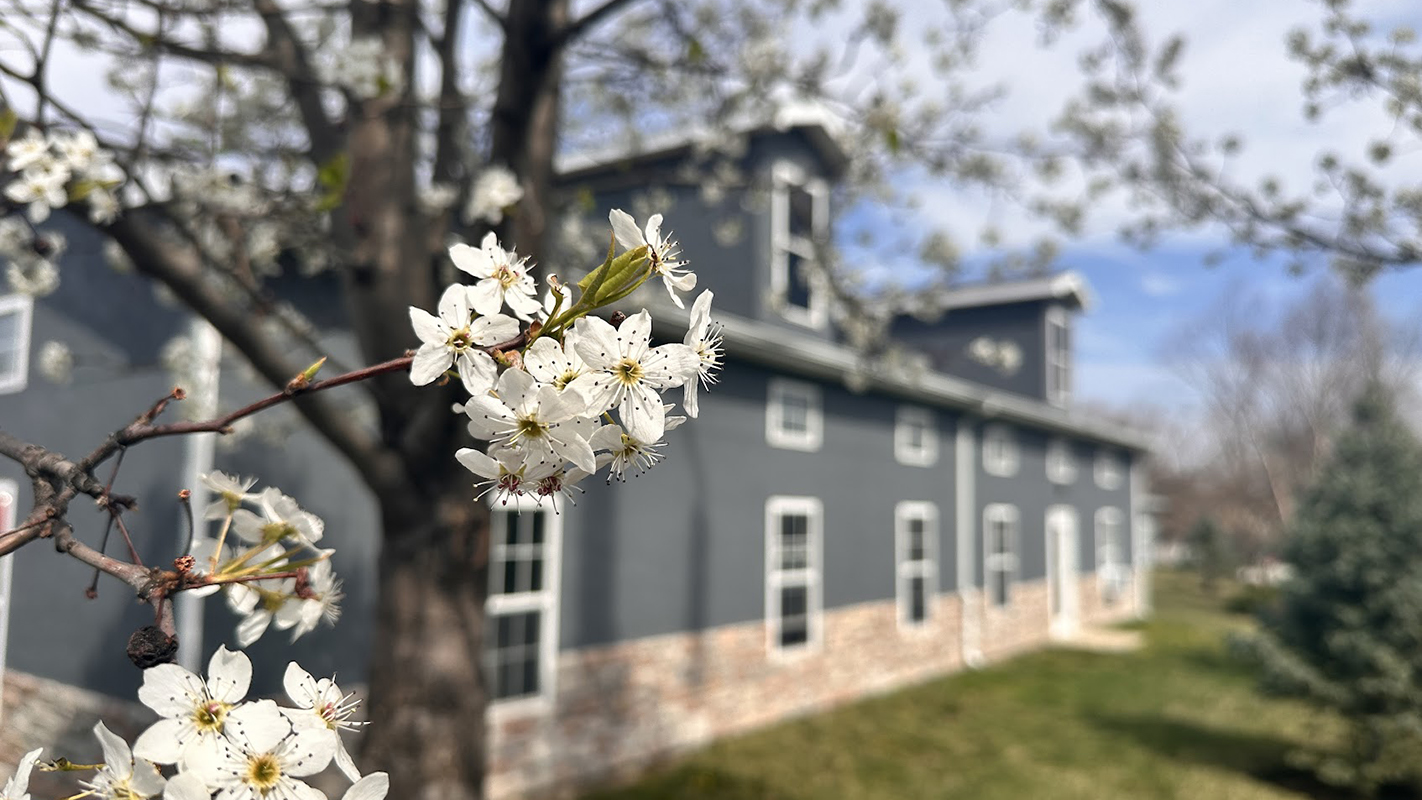
Falls are the leading concern, and rightly so. Still, debilitating individuals out of worry frequently leads to deconditioning, which paradoxically increases fall threat. Introduce movement gradually, monitor footgear and surface areas, and teach personnel how to safeguard without getting. If a fall occurs, review context without blame. Was the lighting low? Was the job too intricate? Adjust and attempt again.
A brief checklist for customizing engagement
- Identify 2 life functions to honor this month, like instructor, parent, baker, or gardener.
- Add one sensory favorite, like lavender, cedar, cymbals, or gospel harmony.
- Choose one motion that feels natural, like sweeping, stretching, or dancing seated.
- Set one everyday anchor job the individual can complete most days.
- Agree on one comfort expression staff will use during distress, written verbatim.
When engagement changes the arc of the day
The impacts of excellent engagement often unfold quietly. A resident who roamed the hall nightly starts sleeping 4 to 5 hour obstructs after afternoon garden work becomes routine. A man who pressed away personnel throughout bathing accepts care when the aide first plays a song he sang to his children. A female who avoided meals takes three more bites per sitting when offered a red plate and welcomed to serve a buddy first.
Across a 20 bed memory care system I supported, we saw PRN antipsychotic usage drop by approximately one 3rd over six months after carrying out constant early morning light, music matched to bio history, and purposeful tasks like mail sorting and laundry folding. We did not change diagnoses, just every day life. The group noticed less rejections of care, and families reported more meaningful visits. These outcomes were not produced by more pricey activity materials. They were produced by personnel who learned to match tasks to people, not the other way around.
Therapeutic engagement in dementia care is not a specialized silo. It is a culture. Whether you work in assisted living with a combined population or in a devoted memory care home, the fundamentals hold. Know the person. Forming the environment. Offer purposeful choices. Use sensory anchors. Protect rhythm. And when things go sideways, as they often will, fulfill the minute with humbleness and attempt again, one small, human-scale activity at a time.
BeeHive Homes of Grain Valley provides assisted living care
BeeHive Homes of Grain Valley provides memory care services
BeeHive Homes of Grain Valley provides respite care services
BeeHive Homes of Grain Valley offers 24-hour support from professional caregivers
BeeHive Homes of Grain Valley offers private bedrooms with private bathrooms
BeeHive Homes of Grain Valley provides medication monitoring and documentation
BeeHive Homes of Grain Valley serves dietitian-approved meals
BeeHive Homes of Grain Valley provides housekeeping services
BeeHive Homes of Grain Valley provides laundry services
BeeHive Homes of Grain Valley offers community dining and social engagement activities
BeeHive Homes of Grain Valley features life enrichment activities
BeeHive Homes of Grain Valley supports personal care assistance during meals and daily routines
BeeHive Homes of Grain Valley promotes frequent physical and mental exercise opportunities
BeeHive Homes of Grain Valley provides a home-like residential environment
BeeHive Homes of Grain Valley creates customized care plans as residents’ needs change
BeeHive Homes of Grain Valley assesses individual resident care needs
BeeHive Homes of Grain Valley accepts private pay and long-term care insurance
BeeHive Homes of Grain Valley assists qualified veterans with Aid and Attendance benefits
BeeHive Homes of Grain Valley encourages meaningful resident-to-staff relationships
BeeHive Homes of Grain Valley delivers compassionate, attentive senior care focused on dignity and comfort
BeeHive Homes of Grain Valley has a phone number of (816) 867-0515
BeeHive Homes of Grain Valley has an address of 101 SW Cross Creek Dr, Grain Valley, MO 64029
BeeHive Homes of Grain Valley has a website https://beehivehomes.com/locations/grain-valley
BeeHive Homes of Grain Valley has Google Maps listing https://maps.app.goo.gl/TiYmMm7xbd1UsG8r6
BeeHive Homes of Grain Valley has Facebook page https://www.facebook.com/BeeHiveGV
BeeHive Homes of Grain Valley has an Instagram page https://www.instagram.com/beehivegrainvalley/
BeeHive Homes of Grain Valley won Top Assisted Living Homes 2025
BeeHive Homes of Grain Valley earned Best Customer Service Award 2024
BeeHive Homes of Grain Valley placed 1st for Senior Living Communities 2025
People Also Ask about BeeHive Homes of Grain Valley
What is BeeHive Homes of Grain Valley monthly room rate?
The rate depends on the level of care needed and the size of the room you select. We conduct an initial evaluation for each potential resident to determine the required level of care. The monthly rate ranges from $5,900 to $7,800, depending on the care required and the room size selected. All cares are included in this range. There are no hidden costs or fees
Can residents stay in BeeHive Homes of Grain Valley until the end of their life?
Usually yes. There are exceptions, such as when there are safety issues with the resident, or they need 24 hour skilled nursing services
Does BeeHive Homes of Grain Valley have a nurse on staff?
A consulting nurse practitioner visits once per week for rounds, and a registered nurse is onsite for a minimum of 8 hours per week. If further nursing services are needed, a doctor can order home health to come into the home
What are BeeHive Homes of Grain Valley's visiting hours?
The BeeHive in Grain Valley is our residents' home, and although we are here to ensure safety and assist with daily activities there are no restrictions on visiting hours. Please come and visit whenever it is convenient for you
Do we have couple’s rooms available?
Yes, each home has rooms designed to accommodate couples. Please ask about the availability of these rooms
Where is BeeHive Homes of Grain Valley located?
BeeHive Homes of Grain Valley is conveniently located at 101 SW Cross Creek Dr, Grain Valley, MO 64029. You can easily find directions on Google Maps or call at (816) 867-0515 Monday through Sunday Open 24 hours
How can I contact BeeHive Homes of Grain Valley?
You can contact BeeHive Homes of Grain Valley by phone at: (816) 867-0515, visit their website at https://beehivehomes.com/locations/grain-valley, or connect on social media via Facebook or Instagram
Take a short drive to LongHorn Steakhouse which serves as a comfortable restaurant choice for seniors receiving assisted living or senior care during planned respite care outings.